
Bus Arrival APK + MOD (Unlimited money) v3.1.2
Updated onAPK Detail
| Package Name | com.games.bus.arrival |
|---|---|
| Category | Racing |
| MOD Features | Unlimited money |
| Version | 3.1.2 |
| Size | 92.32 MB |
| Developer | Sixcube |
| Price | Free |
Main Content
Bus Arrival Mod Video
Mod Information
Enter the game to get a lot of money
Bus Arrival App Detail
Bus Arrival Mod App Reviews
Title: Bus Arrival Mod Unlimited Money: An Exciting Game Review
Introduction:
Bus Arrival Mod Unlimited Money is a popular mobile game that allows players to experience the thrill of managing a bus fleet. This detailed game review will delve into various aspects of the game, including gameplay, graphics, controls, customization options, and overall enjoyment.
Gameplay:
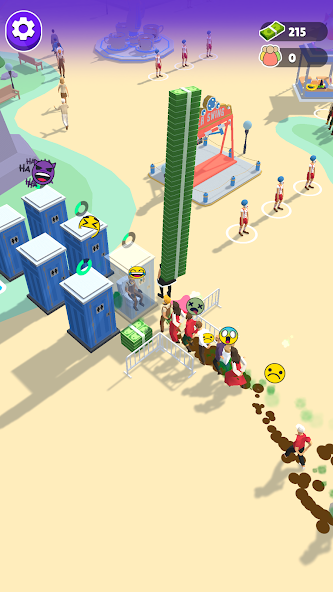
The gameplay of Bus Arrival Mod Unlimited Money is engaging and addictive. Players have the opportunity to build and expand their own bus fleet by purchasing different types of buses using the unlimited money mod. The game offers a comprehensive bus management system, where players can control everything from routes and schedules to ticket prices and customer satisfaction.
Graphics:
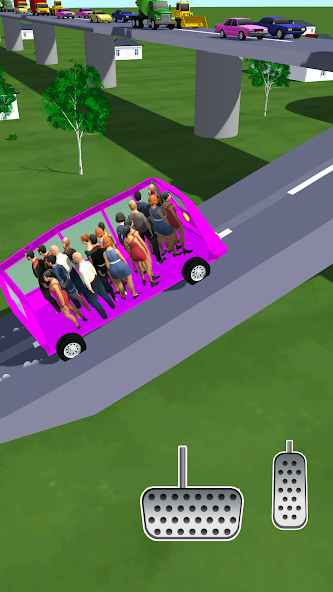
Bus Arrival Mod Unlimited Money features visually stunning graphics. The buses and environments are beautifully rendered, providing a realistic and immersive experience. The attention to detail is commendable, with vibrant colors and smooth animations making the gameplay visually appealing.
Controls:
The controls in Bus Arrival Mod Unlimited Money are user-friendly and intuitive. The game offers a range of control options, including touch controls and tilt controls, allowing players to choose their preferred method of playing. The controls are responsive and make it easy to navigate through the game, enhancing the overall gameplay experience.
Customization:
One of the highlights of Bus Arrival Mod Unlimited Money is the extensive customization options available. Players can personalize their buses with various skins, colors, and patterns, giving them a unique and personalized fleet. Additionally, customization options extend to the routes, allowing players to create their own bus routes through different cities.
Unlimited Money Mod:
The inclusion of the unlimited money mod in Bus Arrival adds an extra layer of excitement and freedom to the gameplay. It enables players to purchase buses and upgrades without any financial constraints, allowing for more experimentation and creativity. While the mod may make the game slightly easier, it provides an enjoyable and stress-free experience for players who prefer an enhanced gameplay experience.
Overall Enjoyment:
Bus Arrival Mod Unlimited Money offers a captivating and enjoyable gaming experience. The engaging gameplay, stunning graphics, and easy-to-use controls make it a game that is hard to put down. The addition of the unlimited money mod adds an element of fun and flexibility, making it perfect for players who want to focus on the management aspect rather than financial limitations.
Conclusion:
Bus Arrival Mod Unlimited Money is a fantastic mobile game that provides an immersive, visually appealing, and enjoyable experience for players. With its captivating gameplay, stunning graphics, intuitive controls, extensive customization options, and the added excitement of the unlimited money mod, it is a game that is worth checking out for both casual players and bus management enthusiasts.

How to download and install Bus Arrival Mod APK :
Open your phone's settings and go to the "Security & Privacy" option.
Find the option of "Unknown Sources" and turn it on (skip this step if it is already turned on).
Download and find Bus Arrival Mod APK to be installed, which can be downloaded through a computer or mobile browser.
Click the downloaded APP installation package, the system will prompt whether to allow the installation of the APP, click "Continue to install".
During the installation process, the system may prompt that the APP needs to access certain device permissions, and the user needs to authorize according to the APP functional requirements.
After the installation is complete, you can find Bus Arrival MOD on your Android device, and click to use it.
After the installation is complete, it is recommended to turn off the "Unknown Sources" option to prevent other malware from being installed on the device in a similar way.
Notes:
To avoid downloading and installing malicious programs, please try to download apps from official websites or trusted app stores.
Before installing the APP, you should check the permissions of the APP first, and do not easily authorize high-risk permissions to avoid leaking personal information.
Regularly update and upgrade the APP to fix possible bugs and weaknesses.
After installing the APP, it is recommended to install anti-virus software to strengthen device protection and security.
Safety statement
Bus Arrival Mod APK has been tested and verified by multiple mainstream antivirus software to ensure that it does not contain any malicious programs or viruses. We will constantly update and strengthen security measures to protect user data and privacy.
However, since Bus Arrival Mod APK comes from an unknown source, there are certain security risks. Therefore, we recommend that users carefully understand the functions and permissions of the APP before downloading and using it, and perform antivirus detection and upgrade operations on mobile phones or computers to avoid installing and using possible malicious programs.
At the same time, we also remind users to pay attention to the following safety precautions:
Download and install APPs should be obtained from official websites or trusted channels, and try to avoid downloading and installing from informal channels;
Do not install apps from unknown sources, and try to avoid using apps from unknown sources;
Do not easily authorize APP to access your private information and device permissions, including address book, camera, location, etc.;
Regularly clean up useless files and caches in your phone or computer to avoid excessive occupation of system resources and impact on device performance;
Upgrade operating systems and software versions in a timely manner, and patch security loopholes and weaknesses.
We attach great importance to the security and privacy of users, and will do our best to ensure the security of users' data and information. Thank you for your understanding and support
Versions History
Comments



1.Rating
2.Comment
3.Name
4.Email