
Bus Simulator : Ultimate APK + MOD (Unlimited money) v2.2.0
Updated onAPK Detail
| Package Name | com.zuuks.bus.simulator.ultimate |
|---|---|
| Category | Simulation |
| MOD Features | Unlimited money |
| Version | 2.2.0 |
| Size | 1.27 GB |
| Requires | 5.0 and up |
| Developer | Zuuks Games |
| Price | Free |
Main Content
Bus Simulator : Ultimate Mod Video
Mod Information
Unlimited money, gold
Bus Simulator : Ultimate App Detail
Bus Simulator : Ultimate Mod App Reviews
Bus Simulator: Ultimate is a simulation game that puts players into the shoes of a bus driver, allowing them to experience the daily life and challenges of being behind the wheel of a public transportation vehicle. With the Mod Unlimited Money feature enabled, players can enjoy a more enhanced and immersive gameplay experience.
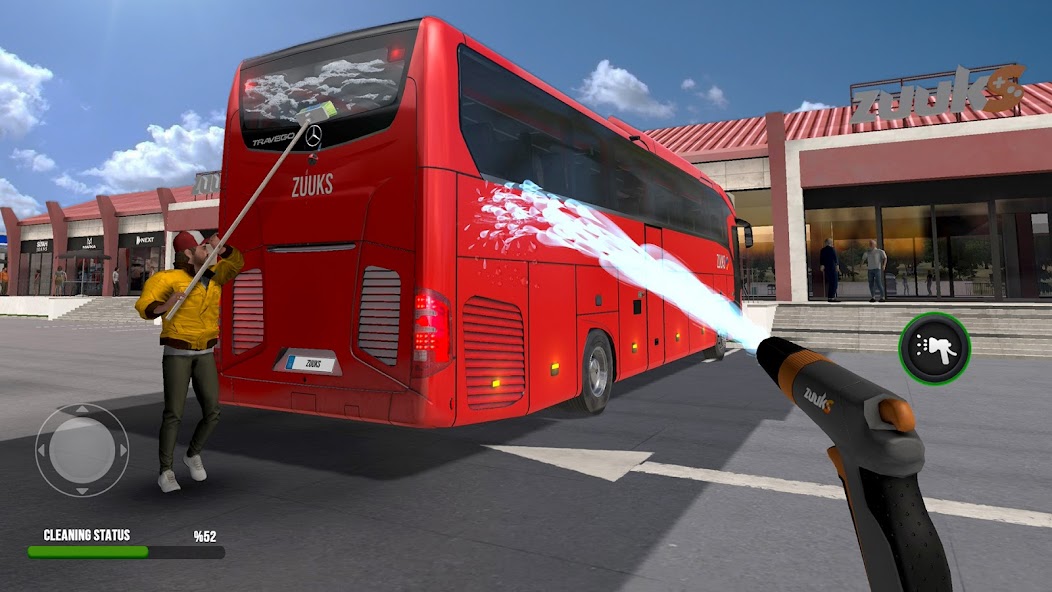
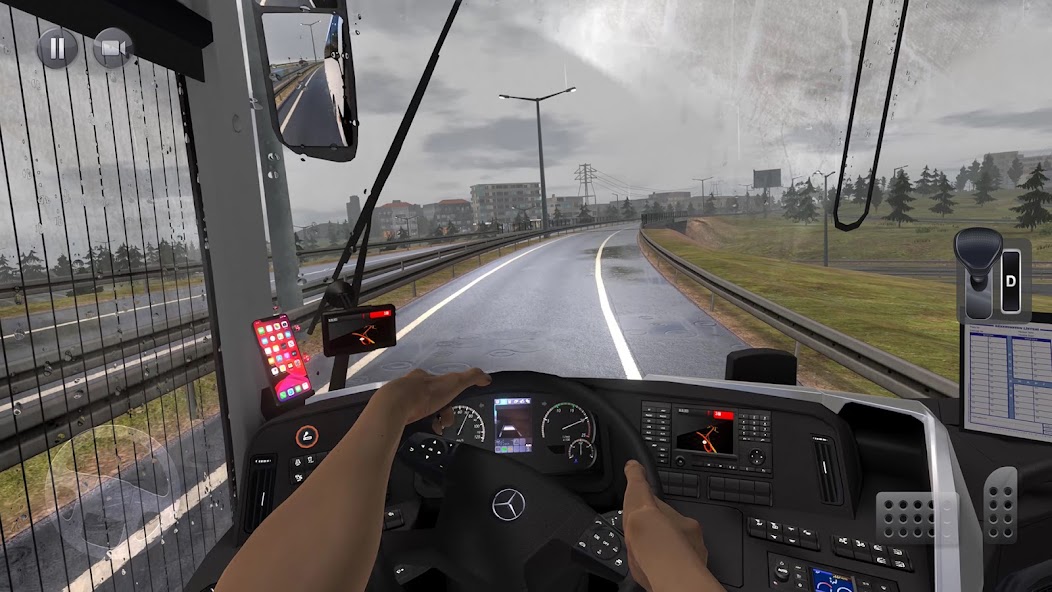
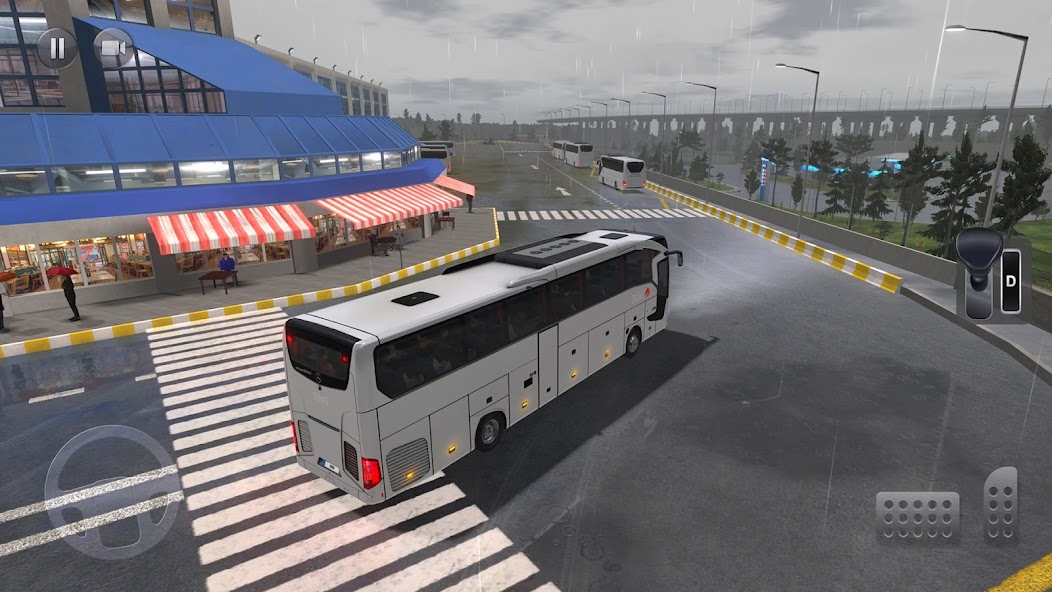
One of the most notable features of Bus Simulator: Ultimate is its realistic graphics and attention to detail. The virtual world created within the game is stunning, with lifelike cities, landscapes, and traffic. The buses themselves are meticulously designed, with accurate interior and exterior details that further enhance the immersion.
As a bus driver, players are tasked with various duties, such as picking up passengers, following traffic rules, and reaching their destination within a set timeframe. The game offers a wide range of bus models to choose from, each with its own unique characteristics and driving experience. With the Mod Unlimited Money, players can easily unlock and upgrade these buses, giving them access to better and more advanced vehicles as they progress through the game.
The gameplay itself is engaging and challenging, requiring players to navigate through realistic traffic patterns, manage their time effectively, and provide excellent customer service to their passengers. The Mod Unlimited Money allows players to purchase upgrades, fuel, and other necessary items without worrying about running out of funds. This allows for a more relaxed and enjoyable gameplay experience, as players can focus more on the actual driving and exploration aspects of the game.
Bus Simulator: Ultimate also offers a multiplayer mode, allowing players to connect with friends or other players around the world. This adds an extra layer of excitement and competitiveness to the game, as players can compete to become the top bus driver in the virtual world. The Mod Unlimited Money feature can also be beneficial in multiplayer mode, as it allows players to showcase their fully upgraded buses and stand out from the rest of the competition.
Another aspect that makes Bus Simulator: Ultimate stand out is its attention to detail when it comes to the various features and mechanics of a bus. From realistic engine sounds to accurate passenger behavior, the game manages to capture the essence of being a bus driver. The Mod Unlimited Money further enhances this experience by allowing players to fully customize and personalize their buses, creating a unique and enjoyable gameplay experience.
Overall, Bus Simulator: Ultimate with the Mod Unlimited Money is a highly enjoyable and immersive simulation game. Its realistic graphics, engaging gameplay, and attention to detail make it a must-play for any fans of the genre. The ability to unlock and upgrade buses without worrying about funds adds an extra layer of enjoyment to the game. Whether playing solo or with friends in multiplayer mode, Bus Simulator: Ultimate offers a unique and realistic experience that any aspiring bus driver will appreciate.
How to download and install Bus Simulator : Ultimate Mod APK :
Open your phone's settings and go to the "Security & Privacy" option.
Find the option of "Unknown Sources" and turn it on (skip this step if it is already turned on).
Download and find Bus Simulator : Ultimate Mod APK to be installed, which can be downloaded through a computer or mobile browser.
Click the downloaded APP installation package, the system will prompt whether to allow the installation of the APP, click "Continue to install".
During the installation process, the system may prompt that the APP needs to access certain device permissions, and the user needs to authorize according to the APP functional requirements.
After the installation is complete, you can find Bus Simulator : Ultimate MOD on your Android device, and click to use it.
After the installation is complete, it is recommended to turn off the "Unknown Sources" option to prevent other malware from being installed on the device in a similar way.
Notes:
To avoid downloading and installing malicious programs, please try to download apps from official websites or trusted app stores.
Before installing the APP, you should check the permissions of the APP first, and do not easily authorize high-risk permissions to avoid leaking personal information.
Regularly update and upgrade the APP to fix possible bugs and weaknesses.
After installing the APP, it is recommended to install anti-virus software to strengthen device protection and security.
Safety statement
Bus Simulator : Ultimate Mod APK has been tested and verified by multiple mainstream antivirus software to ensure that it does not contain any malicious programs or viruses. We will constantly update and strengthen security measures to protect user data and privacy.
However, since Bus Simulator : Ultimate Mod APK comes from an unknown source, there are certain security risks. Therefore, we recommend that users carefully understand the functions and permissions of the APP before downloading and using it, and perform antivirus detection and upgrade operations on mobile phones or computers to avoid installing and using possible malicious programs.
At the same time, we also remind users to pay attention to the following safety precautions:
Download and install APPs should be obtained from official websites or trusted channels, and try to avoid downloading and installing from informal channels;
Do not install apps from unknown sources, and try to avoid using apps from unknown sources;
Do not easily authorize APP to access your private information and device permissions, including address book, camera, location, etc.;
Regularly clean up useless files and caches in your phone or computer to avoid excessive occupation of system resources and impact on device performance;
Upgrade operating systems and software versions in a timely manner, and patch security loopholes and weaknesses.
We attach great importance to the security and privacy of users, and will do our best to ensure the security of users' data and information. Thank you for your understanding and support
Versions History
Comments

More App from same developer


1.Rating
2.Comment
3.Name
4.Email