
Google Chrome APK + MOD v125.0.6422.34
Updated onAPK Detail
| Package Name | com.android.chrome |
|---|---|
| Category | Communication |
| MOD Features | |
| Version | 125.0.6422.34 |
| Size | 225.18 MB |
| Requires | Android Varies with device |
| Developer | Google Llc |
| Price | Free |
Main Content
Mod Information
AdBlock + Privacy Protection
Google Chrome App Detail
Google Chrome: Fast & Secure Mod App Reviews
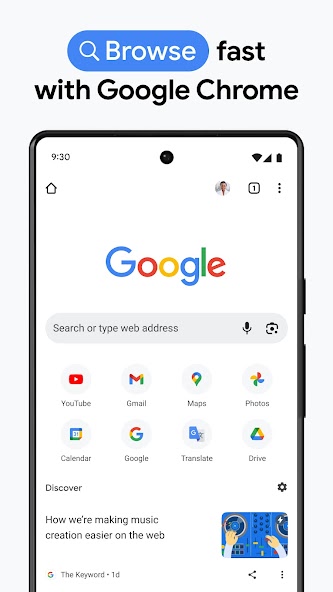
Google Chrome: Fast & Secure Mod is an enhanced version of the popular web browser, offering an improved browsing experience with added features and enhanced security measures. This modified version incorporates several optimizations and customization options, making it a highly versatile tool for internet users.
With Google Chrome: Fast & Secure Mod, users can enjoy faster loading speeds and improved performance, allowing for a smoother browsing experience. This mod includes various enhancements to optimize resource usage, resulting in reduced memory consumption and improved overall responsiveness. As a result, users can expect quicker page loading times and a more seamless navigation experience.
In addition to its speed enhancements, Google Chrome: Fast & Secure Mod offers improved security features to protect users' online activities. It includes additional privacy settings and advanced security measures to safeguard against malware, phishing attempts, and other online threats. These security enhancements provide users with peace of mind while browsing the internet, ensuring their personal information and data remains secure.
One notable feature of this mod is its customizable interface. Users have the option to personalize their browsing experience by customizing the appearance of Google Chrome according to their preferences. They can choose from various themes, modify the layout, and even add their own shortcuts to enhance productivity. This level of customization allows users to tailor the browser to their specific needs, making it more user-friendly and efficient.
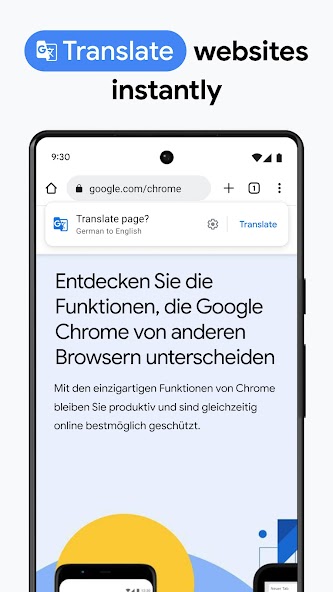
Furthermore, Google Chrome: Fast & Secure Mod supports a wide range of extensions and add-ons from the Chrome Web Store. These extensions further enhance the browser's functionality by providing additional tools, utilities, and features. From ad blockers and password managers to productivity tools and language translators, users can customize their browsing experience by adding the extensions that best suit their needs.
Overall, Google Chrome: Fast & Secure Mod offers a superior browsing experience with its enhanced performance, improved security, and customizable interface. Whether users are looking for a faster browsing experience, enhanced security measures, or personalized customization options, this mod provides a comprehensive solution. With its wide range of features and optimizations, Google Chrome: Fast & Secure Mod is an ideal choice for users seeking a more versatile and efficient web browsing tool.

How to download and install Google Chrome Mod APK :
Open your phone's settings and go to the "Security & Privacy" option.
Find the option of "Unknown Sources" and turn it on (skip this step if it is already turned on).
Download and find Google Chrome Mod APK to be installed, which can be downloaded through a computer or mobile browser.
Click the downloaded APP installation package, the system will prompt whether to allow the installation of the APP, click "Continue to install".
During the installation process, the system may prompt that the APP needs to access certain device permissions, and the user needs to authorize according to the APP functional requirements.
After the installation is complete, you can find Google Chrome MOD on your Android device, and click to use it.
After the installation is complete, it is recommended to turn off the "Unknown Sources" option to prevent other malware from being installed on the device in a similar way.
Notes:
To avoid downloading and installing malicious programs, please try to download apps from official websites or trusted app stores.
Before installing the APP, you should check the permissions of the APP first, and do not easily authorize high-risk permissions to avoid leaking personal information.
Regularly update and upgrade the APP to fix possible bugs and weaknesses.
After installing the APP, it is recommended to install anti-virus software to strengthen device protection and security.
Safety statement
Google Chrome Mod APK has been tested and verified by multiple mainstream antivirus software to ensure that it does not contain any malicious programs or viruses. We will constantly update and strengthen security measures to protect user data and privacy.
However, since Google Chrome Mod APK comes from an unknown source, there are certain security risks. Therefore, we recommend that users carefully understand the functions and permissions of the APP before downloading and using it, and perform antivirus detection and upgrade operations on mobile phones or computers to avoid installing and using possible malicious programs.
At the same time, we also remind users to pay attention to the following safety precautions:
Download and install APPs should be obtained from official websites or trusted channels, and try to avoid downloading and installing from informal channels;
Do not install apps from unknown sources, and try to avoid using apps from unknown sources;
Do not easily authorize APP to access your private information and device permissions, including address book, camera, location, etc.;
Regularly clean up useless files and caches in your phone or computer to avoid excessive occupation of system resources and impact on device performance;
Upgrade operating systems and software versions in a timely manner, and patch security loopholes and weaknesses.
We attach great importance to the security and privacy of users, and will do our best to ensure the security of users' data and information. Thank you for your understanding and support
Versions History
Comments

More App from same developer


Similar Apps


1.Rating
2.Comment
3.Name
4.Email