
Hero Wars: Alliance APK + MOD (Infinite,Mod speed) v1.200.002
Updated onAPK Detail
| Package Name | com.nexters.herowars |
|---|---|
| Category | Role Playing |
| MOD Features | Infinite,Mod speed |
| Version | 1.200.002 |
| Size | 98.87 MB |
| Requires | 5.0 and up |
| Developer | Nexters Global Ltd |
| Price | Free |
Main Content
Hero Wars: Alliance Mod Video
Mod Information
Infinite energy and Speed Hack
Hero Wars: Alliance App Detail
Hero Wars: Alliance Mod App Reviews
Title: An In-depth Review of Hero Wars: Alliance Mod Mod Menu
Introduction:
Hero Wars: Alliance is an immensely popular online multiplayer game that has captured the interest of gamers worldwide. This review will focus on exploring the various features and benefits of using the Hero Wars: Alliance Mod Mod Menu, which enhances the gaming experience by providing additional options and advantages.
Graphics and Visuals:
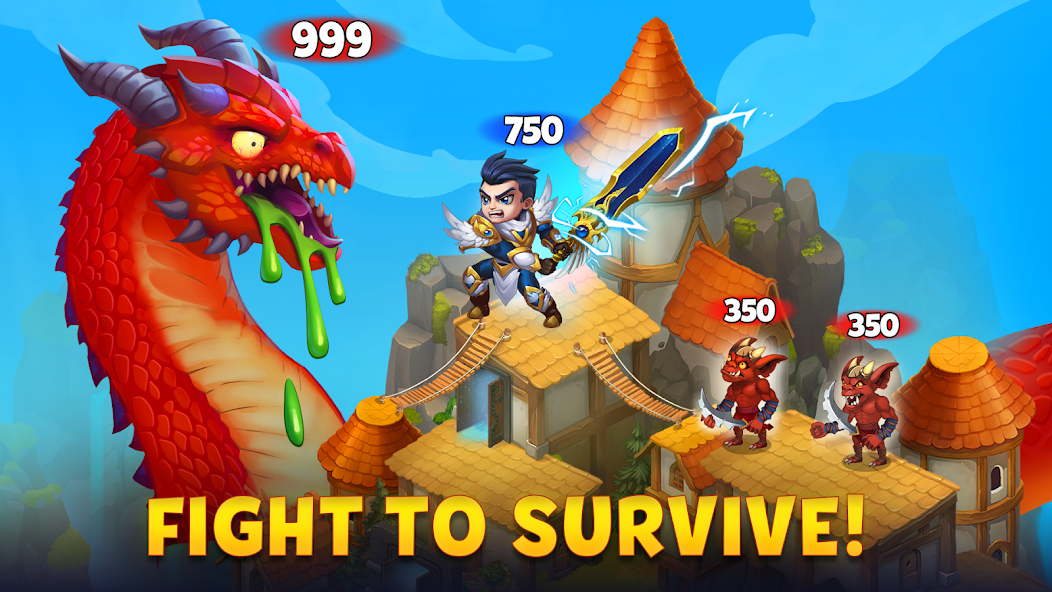
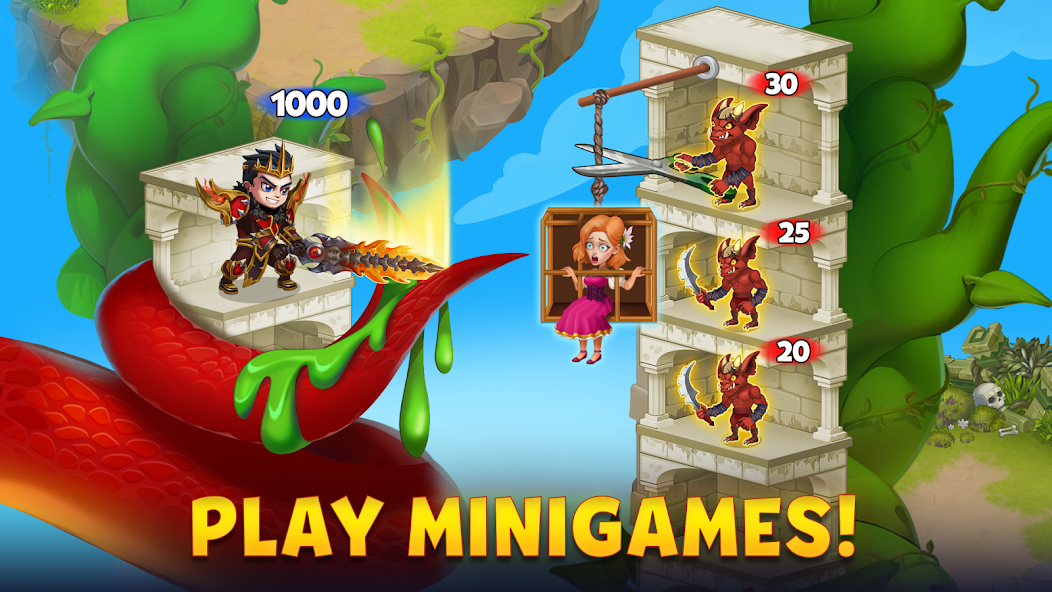
Hero Wars: Alliance boasts outstanding graphics and visually stunning art designs. The game's vibrant colors, detailed character models, and well-rendered landscapes contribute to a captivating visual experience. The Mod Menu, however, does not provide any significant changes to the game's graphics. It focuses more on enhancing gameplay elements and features.
Gameplay:
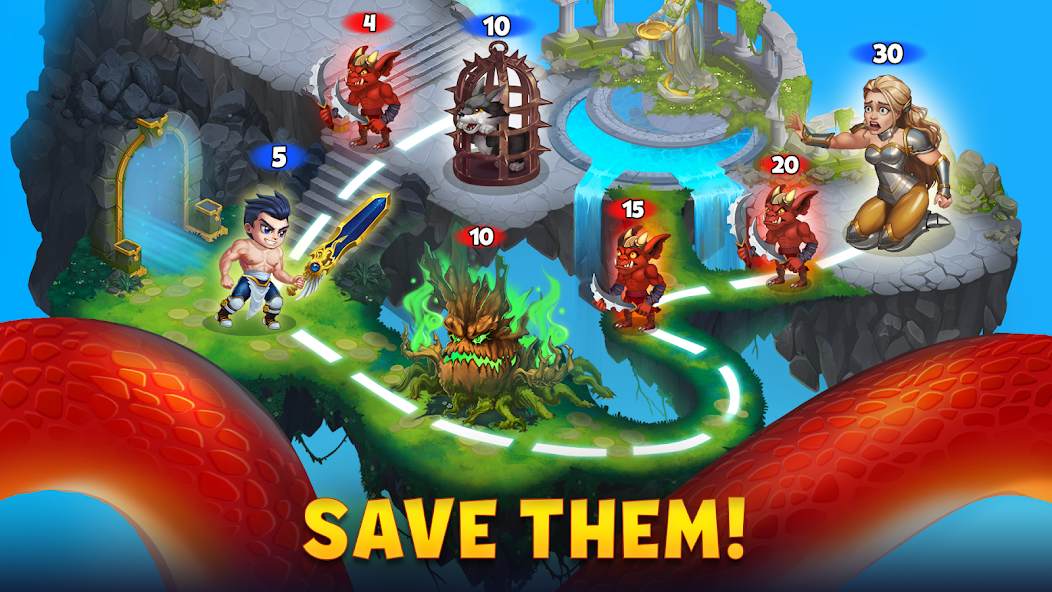
The gameplay in Hero Wars: Alliance is thoroughly enjoyable, requiring players to strategize and make tactical decisions. The Mod Menu enhances this aspect by offering an array of unique options, such as unlimited resources, unlocked characters, and increased level caps. These additions enable players to experiment with various strategies and unlock the full potential of their heroes.
Mod Menu Features:
The Hero Wars: Alliance Mod Mod Menu provides a range of impressive features that elevate the gaming experience. These include:
1. Unlimited Resources: With this feature, players have access to an infinite amount of in-game resources, such as gold, gems, energy, and more. This allows for a more streamlined progression, as players can effortlessly upgrade heroes, buildings, and abilities.
2. Unlocked Characters: The Mod Menu unlocks all the heroes in the game, enabling players to experiment with different playstyles and team compositions. This adds a layer of excitement and variety to the gameplay, as players can build unique strategies using any hero they desire.
3. Increased Level Caps: The Mod Menu increases the maximum level caps for heroes, allowing players to push their characters' abilities beyond the standard limits. This feature presents a thrilling challenge and provides an opportunity to further develop and evolve the heroes.
4. Customizable Settings: The Mod Menu allows players to customize various aspects of the gameplay, such as adjusting game speed, activating auto-battle, or enabling one-hit kills. These options give players more control over their gaming experience and offer a personalized touch to the gameplay.
Conclusion:
Hero Wars: Alliance is an enthralling game that provides an immersive experience to players. The Hero Wars: Alliance Mod Mod Menu enhances this experience by offering a range of exciting features, including unlimited resources, unlocked characters, increased level caps, and customizable settings. These additions amplify the gameplay and give players more freedom to explore different strategies and playstyles. If you are an avid Hero Wars: Alliance player, using the Mod Menu will undoubtedly provide a refreshing and exhilarating gaming experience.
How to download and install Hero Wars: Alliance Mod APK :
Open your phone's settings and go to the "Security & Privacy" option.
Find the option of "Unknown Sources" and turn it on (skip this step if it is already turned on).
Download and find Hero Wars: Alliance Mod APK to be installed, which can be downloaded through a computer or mobile browser.
Click the downloaded APP installation package, the system will prompt whether to allow the installation of the APP, click "Continue to install".
During the installation process, the system may prompt that the APP needs to access certain device permissions, and the user needs to authorize according to the APP functional requirements.
After the installation is complete, you can find Hero Wars: Alliance MOD on your Android device, and click to use it.
After the installation is complete, it is recommended to turn off the "Unknown Sources" option to prevent other malware from being installed on the device in a similar way.
Notes:
To avoid downloading and installing malicious programs, please try to download apps from official websites or trusted app stores.
Before installing the APP, you should check the permissions of the APP first, and do not easily authorize high-risk permissions to avoid leaking personal information.
Regularly update and upgrade the APP to fix possible bugs and weaknesses.
After installing the APP, it is recommended to install anti-virus software to strengthen device protection and security.
Safety statement
Hero Wars: Alliance Mod APK has been tested and verified by multiple mainstream antivirus software to ensure that it does not contain any malicious programs or viruses. We will constantly update and strengthen security measures to protect user data and privacy.
However, since Hero Wars: Alliance Mod APK comes from an unknown source, there are certain security risks. Therefore, we recommend that users carefully understand the functions and permissions of the APP before downloading and using it, and perform antivirus detection and upgrade operations on mobile phones or computers to avoid installing and using possible malicious programs.
At the same time, we also remind users to pay attention to the following safety precautions:
Download and install APPs should be obtained from official websites or trusted channels, and try to avoid downloading and installing from informal channels;
Do not install apps from unknown sources, and try to avoid using apps from unknown sources;
Do not easily authorize APP to access your private information and device permissions, including address book, camera, location, etc.;
Regularly clean up useless files and caches in your phone or computer to avoid excessive occupation of system resources and impact on device performance;
Upgrade operating systems and software versions in a timely manner, and patch security loopholes and weaknesses.
We attach great importance to the security and privacy of users, and will do our best to ensure the security of users' data and information. Thank you for your understanding and support
Versions History
Comments

More App from same developer


Similar Apps


1.Rating
2.Comment
3.Name
4.Email